


If you are living in Spain or planning to move here, registering in the Spanish Social Security system is a key step. Social Security registration is what gives you access to public healthcare, sick leave, maternity benefits, and other social protections.
In Spain, there are three main ways to register for Social Security, depending on your situation.

The pickup location for TIE cards in Barcelona has recently changed. Previously, TIE cards were collected at Calle Mallorca 213. However, as of March 2026, the collection point has moved to Rambla Guipúzcoa 74, which is the same location where the fingerprint appointment (toma de huellas) takes place.
Throughout 2025, collecting your TIE there did not require an appointment. You could simply go to the office, wait in line, and pick up your card. Well, that period is over. As of 2026, the National Police has reinstated the mandatory appointment to collect the TIE card at Rambla Guipúzcoa 74.

Moving to Spain is not just a change of address. It is a change of life. There are several legal and administrative steps you need to take to truly establish yourself and access public resources.
Below we explain what an EU citizen needs to live in Spain on a long-term basis.

Obtaining Spanish nationality is a major step for many foreigners living in Spain. While the general rules are established by law, the requirements vary depending on personal circumstances, such as place of birth, nationality, and length of legal residence. Below, we explain the most important scenarios in a clear and practical way.

For non-EU nationals, one way to obtain legal residence in Spain is through a family connection. This can be through marriage or a registered partnership (pareja de hecho) or eligible children with either:
- A citizen of any EU/EEA country, or
- A Spanish national
Although both routes fall under the general category of “residence as a family member,” the requirements, forms, and legal basis differ depending on whether your partner is Spanish or from another EU country. Understanding these differences is essential to avoid delays or denials.

If you live in Barcelona, keeping your empadronamiento or padrón up to date is essential. But many residents get confused between renewing the padrón certificate and updating the padrón registration itself. Let’s clarify both processes.
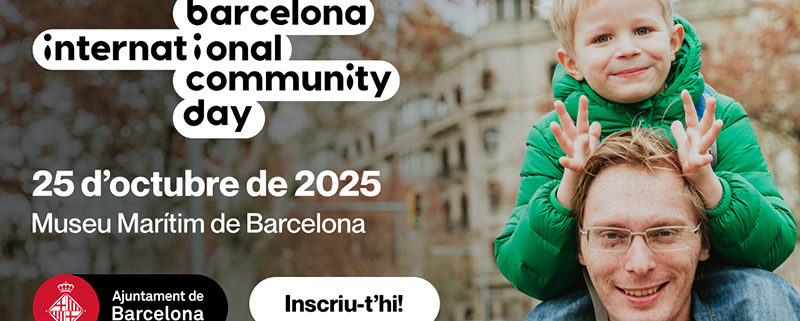
We’re pleased to announce that NIE Barcelona will once again take part in the twelfth edition of the Barcelona International Community Day 2025, organized by the Barcelona City Council and scheduled for Saturday the 25th of October, 2025 at the Museu Marítim de Barcelona.

Since Brexit, many British citizens and their family members have obtained residence cards (TIE) under Article 18.4 of the Withdrawal Agreement. These cards granted legal residence rights in Spain for five years. Now, as we move beyond 2025, the first TIE cards issued under this regime are beginning to expire, and many residents are unsure about what to do next to renew them.